If you've been researching non-invasive fat reduction, you've almost certainly come across ultrasonic cavitation. But alongside the promising before-and-after photos, you've probably also encountered lingering questions:
- Does ultrasonic cavitation carry any risks?
- Can it damage your internal organs?
- Is ultrasonic cavitation actually safe?
- Is it dangerous — or even carcinogenic?
These are legitimate concerns, and they deserve honest, evidence-based answers. In this guide, we'll address every one of them — drawing on clinical research, FDA classifications, and real-world safety data — so you can make a confident, informed decision.
Clinical Evidence and Safety of Ultrasonic Cavitation
Ultrasonic cavitation is widely recognized as a safe, non-invasive cosmetic procedure when used correctly. Unlike surgical liposuction, it does not require incisions, anesthesia, or long recovery periods. Multiple studies and clinical observations have confirmed that low-frequency ultrasound waves (typically 30–80 kHz) can target subcutaneous fat cells without affecting underlying organs or tissues.
Key points from research:
-
Effectiveness: Studies show a measurable reduction in localized fat and circumference after multiple sessions, often accompanied by smoother skin and improved cellulite appearance.
-
Side effects: Minor, temporary side effects such as mild redness, tenderness, or slight swelling may occur but usually resolve within hours to a few days.
-
Organ safety: At recommended intensities, ultrasound waves penetrate only the fat layer and do not damage internal organs.
-
Cancer risk: Ultrasound used in cavitation is non-ionizing, meaning it does not cause DNA mutations and has no evidence of increasing cancer risk.
In summary: When used properly — whether with a quality at-home device or under professional supervision — ultrasonic cavitation is a low-risk treatment for healthy individuals.
Does Ultrasonic Cavitation Have Health Side Effects?
Ultrasonic cavitation for fat reduction is an FDA-approved procedure.
According to global statistics published by the American Society for Aesthetic Plastic Surgery, non-invasive fat reduction technologies have steadily grown in popularity, surpassing surgical alternatives in adoption rate.
Let's answer the three most pressing questions directly:
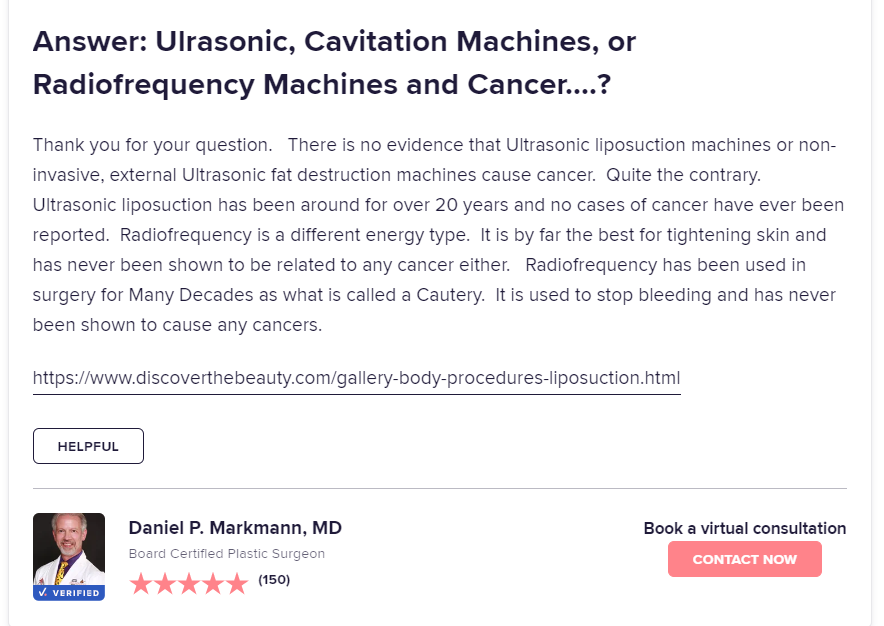
1.1 Can ultrasonic cavitation cause cancer?
Currently, no scientific evidence suggests that ultrasonic cavitation can cause cancer. This blog has more details on the clinical studies of ultrasonic cavitation therapy.
Cancer is generally is caused by genetic mutations and exposure to carcinogenic substances or radiation. While ultrasound waves can generate heat and pressure, the energy levels used in ultrasonic cavitation treatments are considered safe and incapable of causing cancer.
1.2 Can ultrasound cavitation damage internal organs?
The ultrasound waves used in the procedure are not powerful enough to damage organs directly, and there is a risk of tissue damage if the treatment is performed incorrectly or at too high of an intensity. Ultrasonic cavitation is a non-invasive cosmetic treatment, it is generally considered to be a safe procedure when performed with correct use. This ultrasonic cavitation warning is not valid.
1.3 Is ultrasonic cavitation effective?
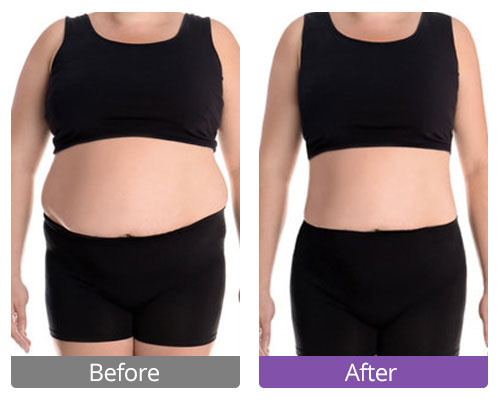
There is some evidence to suggest that ultrasonic cavitation may be an effective treatment for reducing the appearance of cellulite and localized fat deposits. Studies have shown that ultrasonic cavitation can lead to a reduction in circumference measurements and improvements in skin texture and appearance.
Who Can Use Ultrasonic Cavitation?
In general, individuals who are in good overall health and have localized areas of stubborn fat or cellulite are suitable candidates for ultrasonic cavitation.
Ideal candidates typically:
- Are within 10–15 kg of their target weight
- Have specific problem areas (abdomen, thighs, flanks, upper arms) that resist diet and exercise
- Maintain a reasonably active lifestyle and balanced diet
- Have realistic expectations about what the treatment can achieve
When Should You Avoid Ultrasonic Cavitation?
Certain conditions make ultrasonic cavitation unsuitable or potentially risky. Here are the key contraindications — consider these your essential safety checklist:
- Pregnancy: Ultrasonic cavitation is not recommended during pregnancy due to unknown risks to the developing fetus.
- Breastfeeding: The safety of cavitation during lactation has not been sufficiently studied. It is advisable to wait until after breastfeeding has concluded.
- Liver or kidney disease: Individuals with impaired liver or kidney function should avoid cavitation, as the treatment increases the metabolic load on these organs during fat elimination.
- Metal implants: Treatment should never be applied to areas with metal implants, including IUDs, surgical plates, or pacemakers. The ultrasound energy can cause discomfort and potentially interfere with implanted devices.
- Active infections or open wounds: The treatment area must be free of skin infections, rashes, cuts, or sunburn.
- Recent surgery: Allow at least 6 months of healing before treating any area that has undergone surgery.
When in doubt, consult a qualified professional before beginning treatment.
At-Home vs. Professional Treatment: Safety Considerations
Both professional clinics and at-home devices can deliver safe, effective cavitation — provided they are used correctly. Each setting comes with distinct safety considerations:
Professional Clinics
- Trained technicians operate calibrated, medical-grade equipment
- Real-time monitoring ensures correct intensity and technique
- Protocols are standardized and adjusted per client
At-Home Devices
- Convenient and cost-effective, with no need for clinic visits
- Safety features (auto shut-off, controlled energy output) are built into reputable devices
- Users must read and follow instructions carefully to avoid common mistakes
Best Practices for Safe At-Home Use:
- Only use the device on clean, intact skin — never on broken, irritated, or sunburned areas.
- Keep the handpiece in constant motion; never pause on a single spot beyond the recommended time.
- Adjust the intensity according to fat thickness and skin sensitivity — start low and increase gradually.
- Avoid areas with metal implants or open wounds.
- Follow the recommended treatment schedule (typically 2–3 sessions per week for the first month, then once weekly for maintenance).
Following these precautions ensures safe, effective, and lasting results while minimizing the risk of burns or tissue irritation.
What Are the Risks of Misusing an Ultrasonic Cavitation Machine?
Improper use of an ultrasonic cavitation machine can lead to potential risks and complications, including:
Burns: Ultrasonic cavitation can cause burns if the ultrasound waves are applied at too high of intensity or if the device is left in one area for too long. Although the energy of the home device is set at a low level, the same care must be taken not to overuse it.
Skin damage: The ultrasound waves can damage the skin if the device is applied too aggressively or if the skin is too thin or sensitive.
Tissue damage: The ultrasound waves can cause damage to underlying tissues, such as muscle or connective tissue if the device is too high of an intensity.
Pain or discomfort: Improper use of the device can cause pain or discomfort during treatment, which may persist after treatment.
Nerve damage: The ultrasound waves can damage nerves if the device is applied too high, which can result in numbness, tingling, or loss of sensation in the affected area.
Ineffective treatment: Improper use of the device can lead to ineffective treatment, meaning the desired results may not be achieved.
If you experience any unusual symptoms or complications after undergoing ultrasonic cavitation, it's important to seek medical attention immediately.
How to use an ultrasound cavitation machine safely?
The machine should only be used under specific circumstances, as outlined below:
A trained person should use the machine: You can buy cavitation machines for home use but read the instructions carefully before using them to ensure you already know how to use them. If you go to an aesthetic center for treatment, ensure your therapist is licensed.
The machine should be used on specific areas of the body: Ultrasonic cavitation is most commonly used on areas of the body with localized fat deposits, such as the thighs, hips, and abdomen.
The machine should be used at appropriate energy levels: The intensity of the ultrasound waves should be adjusted according to the thickness of the fat layer and the sensitivity of the skin to avoid causing tissue damage. The energy level of the home device has been set to a low level.
In this video, we’ll show you how to use an 80k cavitation machine on the belly, a professional operating in a SPA center.
Next, I will show a video of how to use the ultrasonic cavitation machine at home on your belly by yourself
Which body parts are best suited for ultrasonic cavitation?
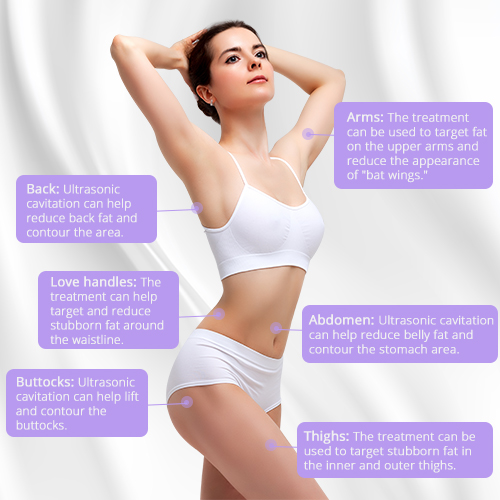
Ultrasonic cavitation can be used on various parts of the body to help reduce the appearance of cellulite and contour the body. The most commonly treated areas include:
Abdomen: Ultrasonic cavitation can help reduce belly fat and contour the stomach area.
Thighs: The treatment can be used to target stubborn fat in the inner and outer thighs.
Buttocks: Ultrasonic cavitation can help lift and contour the buttocks.
Arms: The treatment can be used to target fat on the upper arms and reduce the appearance of "bat wings."
Back: Ultrasonic cavitation can help reduce back fat and contour the area.
Love handles: The treatment can help target and reduce stubborn fat around the waistline.
It's also important to consult with a qualified practitioner to determine if you are a good candidate for the treatment.
What is the best frequency to use an ultrasonic cavitation machine?
Generally, frequencies between 30 and 80 kHz are used for body contouring and fat reduction. Lower frequency cavitation machines such as 40kHz may be better suited for larger areas or areas with more stubborn fat, as they provide deeper penetration and target a wider range of tissues. On the other hand, higher frequency cavitation machines such as 60kHz or 80kHz may be better suited for smaller areas or more delicate areas of the body, as they provide more superficial treatment and are less likely to cause discomfort.
How to Choose a Quality Ultrasonic Cavitation Machine for Home Use
Selecting the right device for home use requires balancing power, safety, and usability. Here are the key factors to evaluate:
| Factor | Recommendation |
|---|---|
| Power output | Look for devices in the 30W–50W range — sufficient for effective results without excessive intensity. |
| Frequency | Devices operating between 25 kHz and 45 kHz are optimal for body contouring and fat reduction. |
| Safety features | Prioritize devices with auto shut-off when the unit overheats or exceeds the recommended treatment time. |
| Ease of use | Choose a device with a clear interface, intuitive controls, and comprehensive instructions. |
| Price | Consider cost, but never compromise on quality or safety for a lower price point. |
| Brand reputation | Purchase from a well-established brand with a proven track record of producing safe, effective devices and responsive customer support. |
How to Choose a Qualified Cavitation Treatment Spa
If you prefer professional treatment, selecting the right clinic is just as important as choosing the right device. Here's what to look for:
Credentials and qualifications: Look for a spa center with licensed and experienced practitioners who have received training and certification in ultrasonic cavitation therapy.
Safety protocols: Check if the spa center follows proper safety protocols such as providing protective eyewear and monitoring the machine’s temperature during treatment.
Equipment quality: Choose a spa center that uses high-quality and well-maintained equipment to ensure safe and effective treatment.
Reputation: Check online reviews for ultrasonic cavitation machines and ratings from past customers to gauge the reputation of the spa center and the effectiveness of their treatments.
Customer service: Choose a spa center with friendly and knowledgeable staff who can answer any questions you may have and provide guidance on post-treatment care.
Treatment plans: Choose a spa center that offers customized treatment plans based on your individual needs and goals.
Pricing: Compare the pricing of different spa centers, but do not compromise on quality and safety.
Conclusion
Ultrasonic cavitation is a well-researched, FDA-cleared, and widely practiced non-invasive fat reduction technology. When used correctly — whether with a quality home device or by a trained professional — it carries minimal risk and can deliver meaningful body contouring results.
The most important takeaway is this: safety depends on proper use. Follow device instructions, respect contraindications, stay hydrated, and be consistent. If you have underlying health conditions or are unsure whether cavitation is right for you, a quick consultation with a qualified professional is always the smartest first step.



You may like
-
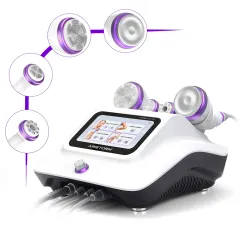
Brand: ARISTORM
ARISTORM S Shape Cavitation Machine Body Slimming Skin Firming Facial Lifting for Home Use
$459.00
-
-