Warts — those rough, grainy skin growths that seem to appear out of nowhere — are caused by the human papillomavirus (HPV). While generally harmless, they can be annoying, uncomfortable, and at times embarrassing, especially when they appear on highly visible areas like the hands, feet, or face.
Fortunately, one of the most popular and effective methods for removing warts is cryotherapy. Like other minimally invasive treatments, the healing process is largely straightforward and low-risk. The technique involves the localized application of liquid nitrogen, which freezes the skin growth, destroys the wart tissue, and triggers the body's immune response to clear the virus.
But removing the wart is only the beginning. The real challenge lies in what comes next. If you've recently had a wart treated, you're probably wondering: What's normal? How long will it take to heal? Is that blister a good sign or a bad one?
Understanding the stages of wart healing after freezing ahead of time can help you know exactly what to expect, what is normal, and what warrants concern. With the right care, you can navigate the recovery journey calmly and arrive at smoother, clearer skin — without unnecessary stress.
What to Expect After Cryotherapy: The Wart Healing Process
After cryotherapy, the treated area may feel tender or sore. Most people experience a burning sensation during or immediately after the liquid nitrogen is applied. Within the first 24 hours, the skin may become red, swollen, and may even form a blister. This is completely normal — it is your body's natural response to the extreme cold and marks the start of the wart blister healing process.
In the days that follow, the blister may remain intact or rupture on its own and begin to dry out. You may observe peeling, scabbing, and eventually skin regeneration. The full process can take anywhere from one to four weeks, depending on your body's immune response, the type of wart, and how deeply the tissue was frozen.
Patience is essential. You might feel tempted to speed things up or pick at the scab — but resisting that urge almost always leads to better cosmetic outcomes. Healing timelines vary depending on whether you've treated a common wart, a plantar wart, or a facial lesion. That said, the following timeline represents the typical stages most people experience after cryotherapy.
The 5 Stages of Wart Healing After Freezing
Stage 1: Initial Response (0-24 hours)
When liquid nitrogen is applied to a wart, the surrounding skin typically becomes red and slightly swollen. A sharp, stinging sensation may occur—often compared to an ice burn or touching something extremely cold. The pain usually subsides quickly, though it may linger longer if the wart is on a sensitive area like the face or hands.
At this stage, avoid touching the treated area or applying lotions and creams, especially on the face. Facial warts may require more time to heal due to the thinner and more delicate skin in that area.
Stage 2: Blister Formation (1-3 days)
On the second day, a blister is likely to form over the treated area of the wart. This blister could be clear or blood-filled based on how deep the wart was. Don’t panic—these blisters are a normal part of the healing of a wart and indicate that your body is reacting and working on it.
Band aids can be useful to protect the blister, especially if the wart is on a high-friction area like your foot. Just make sure the skin can breathe and stays clean.
Stage 3: Drying and Scabbing (3-7)
The blister will dry up and scab over. This is a good indication that the healing wart after freezing is on track. Beneath the scab is where the skin is beginning to regenerate. The scab may become itchy or tight—avoid scratching.
Avoid using wart remover treatments or using salicylic acid during this step unless specifically instructed by a healthcare professional, as they could hinder natural healing.
Stage 4: Skin Regeneration (1-2 weeks)
When the scab peels off on its own (don’t pull it!), new pink or light-colored skin underneath is visible. The new skin may be sore or have a color for a few days, especially on the face. Applying a gentle, scent-free moisturizer or Vaseline will be soothing to the area.
In certain situations, particularly with deep or large skin lesions, stage two may be slower, but it is where the majority of skin healing occurs.
Stage 5: Wart Clearance or Follow-Up (2-4 weeks)
Ideally, the wart is gone at this point. The success rate for cryotherapy is variable, but most common warts usually clear within the timeframe. If the wart still persists, a repeat treatment may be prescribed by your physician.
For especially resistant warts, like genital and plantar warts, other treatments or different methods may come into play. At-home treatments like duct tape therapy may be used between treatments to optimize outcomes as well.
Caring for the Treated Area: Do’s and Don’ts
How you care for the treated area has a significant impact on how well your skin heals. Here are the essential guidelines:
Do’s:
- Wash the area daily with mild soap and water.
- Keep the area dry and loosely covered with a bandage if needed.
- Apply antibiotic ointment if the blister ruptures.
- Take acetaminophen or ibuprofen if you experience pain or swelling.
Don't’s:
- Do not pop or drain the blister — let it resolve naturally.
- Do not pick or scratch the scab.
- Do not apply makeup or harsh skincare products until the area is fully healed.
- Do not expose the healing area to direct sunlight without protection.
- If signs of infection appear — redness, warmth, pus, or fever — consult a healthcare provider immediately.
Alternatives to Wart Treatments: When Cryotherapy Isn't Enough
While cryotherapy is highly effective, it is not foolproof — especially for deep or resistant warts. Fortunately, several alternative treatment options are available.
Wart Remover Spray
These prescription medications utilize chemicals such as dimethyl ether and propane to freeze warts at home. They work wonderfully on small growths on the skin, but are less intense compared to medical cryotherapy.
Wart Remover Ointment
These treatments, often with salicylic acid, exfoliate layers of wart tissue over time. They are slow but efficient for many people.
Electrosurgery and Curettage
Done by a physician, it is the scraping of the wart with a curette and burning the base using an electric needle. It is aggressive but may be helpful for big or stubborn warts.
Duct Tape Method
Yes, really, taping a wart with duct tape for a few days may soften the skin and remove the wart. Results are variable, but it is low-risk and low-cost.
Mole Remover Plasma Pen
More commonly used for skin tags and moles, some people try plasma pens on warts. These should be used with caution and ideally under professional guidance to prevent burns or scarring.
Each method has its place depending on the wart's type, size, and location. If cryotherapy hasn't worked after several attempts, switching to a different approach may be the best path forward.
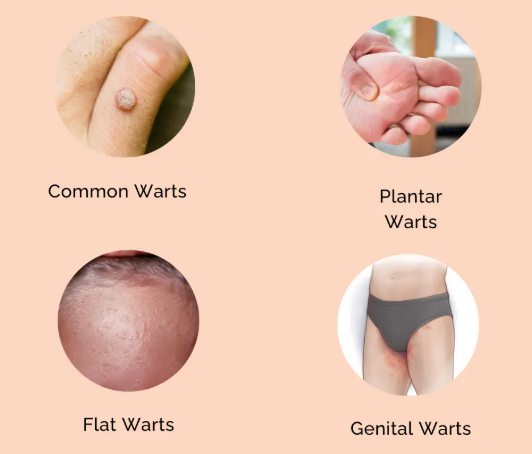
Common Types of Warts & Their Response to Freezing
Not all warts respond to freezing in the same way:
● Common Warts: Typically on the fingers and palms of the hand. Typically respond favorably to 1-2 cryotherapy treatments.
● Plantar Warts: They appear on the soles of the feet and may be long-lasting, requiring several treatments before they go away.
● Flat Warts: They occur in groups, mostly on the face. Could require milder or repeat treatments.
● Genital Warts: Must always be treated by a medical expert. Cryotherapy is highly successful, but never treat them yourself.
Understanding the type of wart you're dealing with is critical for setting realistic expectations around healing and outcomes.
Conclusion
Healing after cryotherapy is not a single event — it is a process. From the initial burning sensation to the final stage of skin regeneration, understanding how wart healing after freezing unfolds allows you to stay calm and proactive.
Whether you're dealing with a small lesion on your hand or managing the healing timeline for a facial treatment, each stage is a sign that your skin is doing its work. Familiarity with the cryotherapy stages of wart healing helps remove the fear and uncertainty from the experience.
With patience, proper aftercare, and possibly a follow-up session, the wart should resolve and be replaced by healthy, smooth skin. Don't rush the process — your skin heals best when you let it do so on its own terms.
FAQs on Wart Healing After Cryotherapy
1.How long does a wart take to heal after freezing?
Healing typically takes between 1 and 4 weeks, depending on the wart's depth, type, and your immune system's response.
2.Is blistering after cryotherapy a common occurrence for a wart?
Yes — blistering is both normal and expected. It is an integral part of the blister healing process and indicates that your body is reacting to the frozen tissue.
3.Can I pop the blister after wart freezing?
No. Allow the blister to dry out or rupture on its own. Popping it increases the risk of infection and scarring.
4.What if my wart hasn't fallen off after 2 weeks?
Be patient — some warts take longer to clear. If there is no improvement after 3–4 weeks, speak with your doctor about a second cryotherapy session or an alternative treatment method.
5.Does freezing a wart hurt?
You may feel a brief burning sensation when the nitrogen is applied, followed by some soreness afterward. For most people, the discomfort is tolerable and temporary.
6.What options are available if cryotherapy fails?
Wart remover ointments, electrosurgery and curettage, the duct tape method, and even mole remover plasma pens (used under guidance) can be viable alternatives depending on the wart's size, location, and type.