Radio frequency (RF) facial tightening has become one of the most popular non-invasive anti-aging treatments worldwide. But many people still ask: is it actually safe for your face? The short answer is yes — when performed by trained professionals using FDA-cleared equipment, RF skin tightening is a safe, non-invasive procedure with a complication rate below 1%. Only temporary redness and mild swelling may occur, both of which resolve naturally within hours to days.
In this guide, we'll break down exactly how RF facial tightening works, what side effects to expect, the real risks you should know about, how home devices compare to professional treatments, and who should avoid RF altogether.
What Is Radio Frequency Facial Skin Tightening?
Radio frequency facial tightening is a non-invasive anti-aging treatment that uses controlled RF electromagnetic energy to heat the deeper layers of your skin. The device delivers radio frequency energy at a specific frequency through a handheld probe, precisely warming the dermis and subcutaneous tissue to a therapeutic temperature — typically 40–45°C — without damaging the outer epidermis.
This controlled heat triggers three biological responses:
- Immediate collagen contraction: Existing collagen fibers shrink, producing an instant tightening effect.
- Collagen regeneration: Over the following weeks, your body produces new collagen to replace and reinforce the treated tissue.
- Long-term remodeling: The dermal matrix continues to restructure for up to 3–6 months post-treatment, gradually improving skin firmness, reducing fine lines, and enhancing facial contour definition.
RF facial tightening is commonly used on the forehead, cheeks, jawline, neck, and under-eye area. Popular professional RF technologies include monopolar RF (like Thermage), bipolar RF, and multipolar RF — each varying in penetration depth and energy delivery method.
Is Radio Frequency Facial Tightening Safe for the Face?
Under professional operation, RF skin tightening is safe for the vast majority of people. However, "safe" does not mean "zero risk." Understanding the difference between normal reactions and real complications is essential.
Common and Normal Reactions
These are expected responses that indicate the treatment is working:
- Mild redness (erythema): The skin may appear slightly pink or flushed after treatment, similar to the look after moderate exercise. This typically fades within 2–6 hours.
- Warmth or tightness: A mild sensation of heat or skin tension is normal and usually subsides within a few hours.
- Temporary mild swelling: A small percentage of people experience slight edema, especially around the eye area. This resolves within 24–48 hours.
These reactions are reversible and require no medical intervention.
Real Risks That Require Attention
While serious complications are rare (under 1%), the following risks exist and are worth understanding:
-
Burns and Blisters
The most common RF complication, typically caused by improper technique. If the energy level is set too high or the probe remains stationary on one area for too long, localized overheating can cause superficial burns or blisters. Home RF devices operate at lower energy levels, but burns can still occur if the device is used incorrectly — for example, on dry skin without conductive gel.
How to avoid: Always ensure a conductive gel is applied, keep the probe moving continuously, and start at the lowest energy setting.
-
Subcutaneous Fat Loss
This is a risk many people are unaware of. RF energy penetrates to adjustable depths. If the energy penetrates too deeply or the intensity is too high, it can damage subcutaneous fat cells — essentially causing unintended fat reduction in the treated area. For people with already thin cheeks or facial hollowing, this can make the face appear more gaunt and aged rather than younger.
How to avoid: Communicate your facial anatomy concerns with your provider. For thin or sunken facial areas, lower energy and shallower penetration settings should be used. This is why device quality and operator experience matter enormously.
-
Uneven or Ineffective Results
This is less a safety issue and more a satisfaction issue. Insufficient energy delivers no visible results, while uneven energy distribution may cause patchy or irregular skin tightening. This often stems from inconsistent probe movement or using an underpowered device.
How to avoid: Choose a provider with documented before-and-after results and follow the recommended treatment protocol (typically 4–6 sessions spaced 2–4 weeks apart).
Home RF Devices vs. Professional RF Treatments: Which Is Safer?
| Factor | Home RF Devices | Professional RF Treatments |
| Energy output | Lower (safe for self-use) | Higher (requires training) |
| Results | Milder, gradual | More noticeable, faster |
| Burn risk | Very low if used correctly | Low with trained operator |
| Fat loss risk | Minimal (low energy) | Possible if misapplied |
| Cost | 500 one-time | 800 per session |
| Best for | Maintenance, mild concerns | Moderate sagging, contouring |
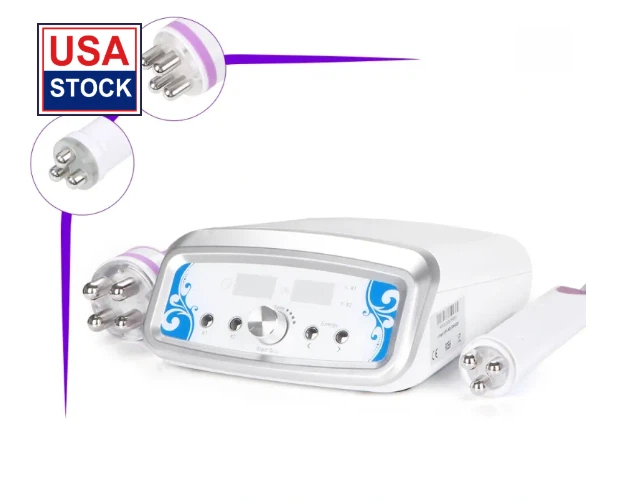
At-home RF beauty devices feature significantly lower energy output, which means they have a wider safety margin but deliver comparatively milder results. Clinical studies have shown that when used according to the manufacturer's instructions, home RF devices are acceptably safe, and the risk of serious injury is minimal.
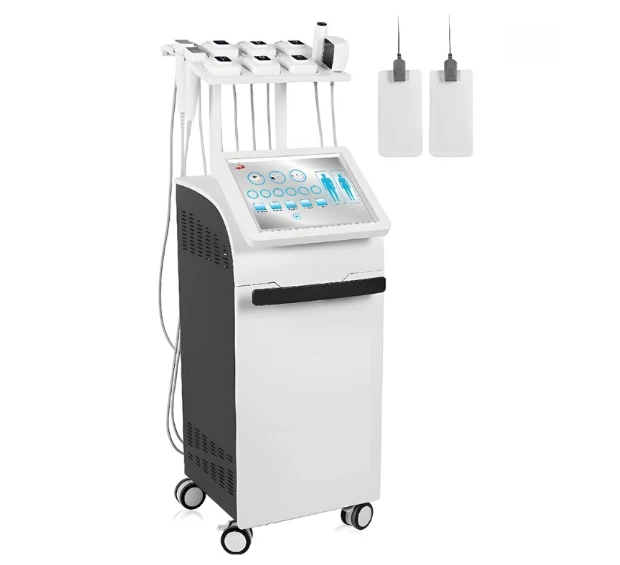
Professional treatments use high-energy clinical-grade devices capable of delivering noticeable results in fewer sessions. However, improper operation of these powerful machines can lead to skin burns, hyperpigmentation, and in rare cases involving microneedle RF therapy, scarring or nerve damage.
The bottom line: home devices are safer but slower; professional treatments are more effective but require a qualified operator.
RF Skin Tightening vs. Other Anti-Aging Treatments: Safety Comparison
How does RF compare to other popular anti-aging options?
- Thermage (monopolar RF): Delivers higher single-pass energy and requires stricter operational precision. Generally safe but has a narrower margin for error than standard RF.
- Ultherapy (HIFU ultrasound): Requires extremely precise depth targeting. Improper operation may affect facial nerves. Higher discomfort level during treatment.
- Surgical facelift: Invasive procedure with general anesthesia risks, 2–4 week recovery period, and potential for scarring, infection, or nerve damage.
Radio frequency facial tightening sits at the gentle end of the spectrum. It is non-invasive, uses controlled low-to-moderate energy, and is suitable for most skin types including sensitive skin. It is widely considered the safest entry-level anti-aging treatment — no surgical risks, no lengthy downtime, and no anesthesia required.
Who Should Not Get Radio Frequency Skin Tightening?
RF treatment is gentle, but it is not for everyone. The following groups should avoid RF facial tightening or consult a physician first:
- Pregnant or breastfeeding women: RF energy has not been studied sufficiently in pregnancy.
- People with open wounds or severe skin inflammation: Treatment can worsen active skin conditions.
- People with metal implants in the facial area: Including pacemakers, cochlear implants, or metal plates.
- Individuals with severe heart disease or uncontrolled hypertension.
- People with active acne or rosacea flare-ups: Heat can intensify inflammation.
- Those taking isotretinoin (Accutane): Skin healing is impaired; wait at least 6 months after stopping.
- People with autoimmune conditions affecting the skin.
If you have sensitive skin, RF treatment is generally still safe — but inform your provider beforehand so they can lower the energy level and perform a patch test first.
How to Maximize Safety During RF Treatment
Whether you're visiting a clinic or using a home device, follow these guidelines:
Before treatment:
- Remove all makeup, skincare products, and jewelry from the treatment area.
- Ensure skin is clean and dry (for home devices) or properly prepped with conductive gel (for professional treatments).
- Inform your provider of any medications, skin conditions, or recent procedures.
During treatment:
- Communicate immediately if you feel excessive heat, pain, or discomfort.
- The probe should never stay stationary on one spot — continuous movement is essential.
- Energy should start low and increase gradually based on tolerance.
After treatment:
- Apply a soothing moisturizer or aloe vera gel.
- Use SPF 30+ sunscreen daily for at least one week — treated skin is more UV-sensitive.
- Avoid hot showers, saunas, and strenuous exercise for 24 hours.
- Do not apply retinol, AHAs, or exfoliating acids for 3–5 days post-treatment.
Conclusion
Radio frequency facial tightening is a mature, well-studied technology with an excellent overall safety profile. It is currently one of the most popular non-invasive anti-aging methods available — and for good reason. With a serious complication rate below 1%, it offers effective improvement of skin sagging and fine lines without surgery, anesthesia, or downtime.
As long as you choose a reputable provider, use certified equipment, follow pre- and post-care instructions, and communicate any concerns openly, RF facial tightening is safe for facial use and delivers visible, long-lasting results.
If you're trying an anti-aging treatment for the first time, radio frequency skin tightening is one of the most reliable and reassuring choices you can make.